Blog
Introduction: Child care is a cornerstone upon which societies flourish. In a nation as vast and diverse as India, the challenges and dynamics of child care are multifaceted. However, with the right strategies and an understanding of the ground realities, India has the potential to lay robust foundations for its future generations.
Child Care in India: A Snapshot:
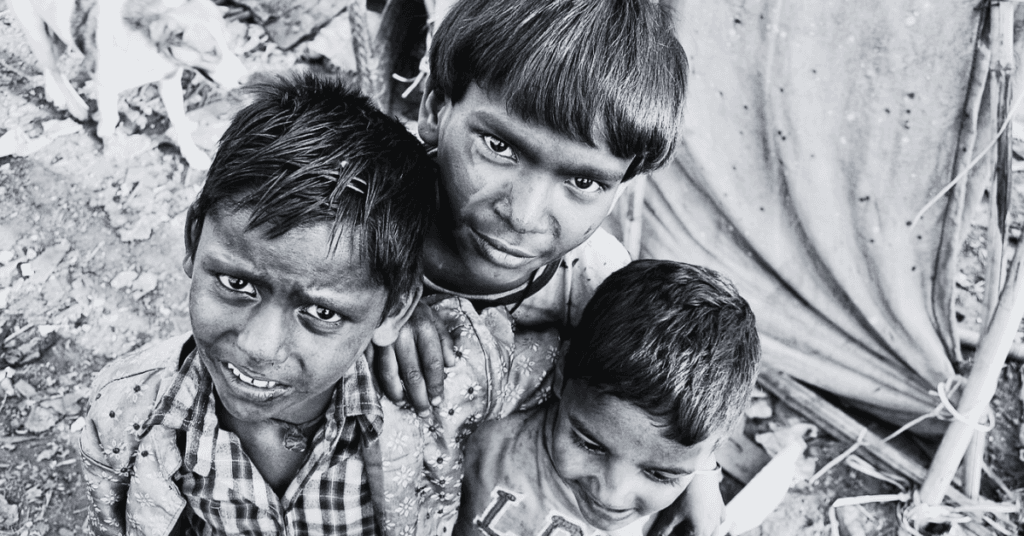
Fact: According to the National Family Health Survey (NFHS-5), around 35% of children under 5 years in India are stunted (too short for their age), which is an indicator of chronic undernutrition.
Fact: The same survey reveals that about 17% of children under 5 are wasted (too thin for their height) – a sign of acute undernutrition.
Fact: As per the UNESCO Institute for Statistics, India has more than 11 million children out of school, one of the highest numbers globally.
The Importance of Comprehensive Child Care in India:
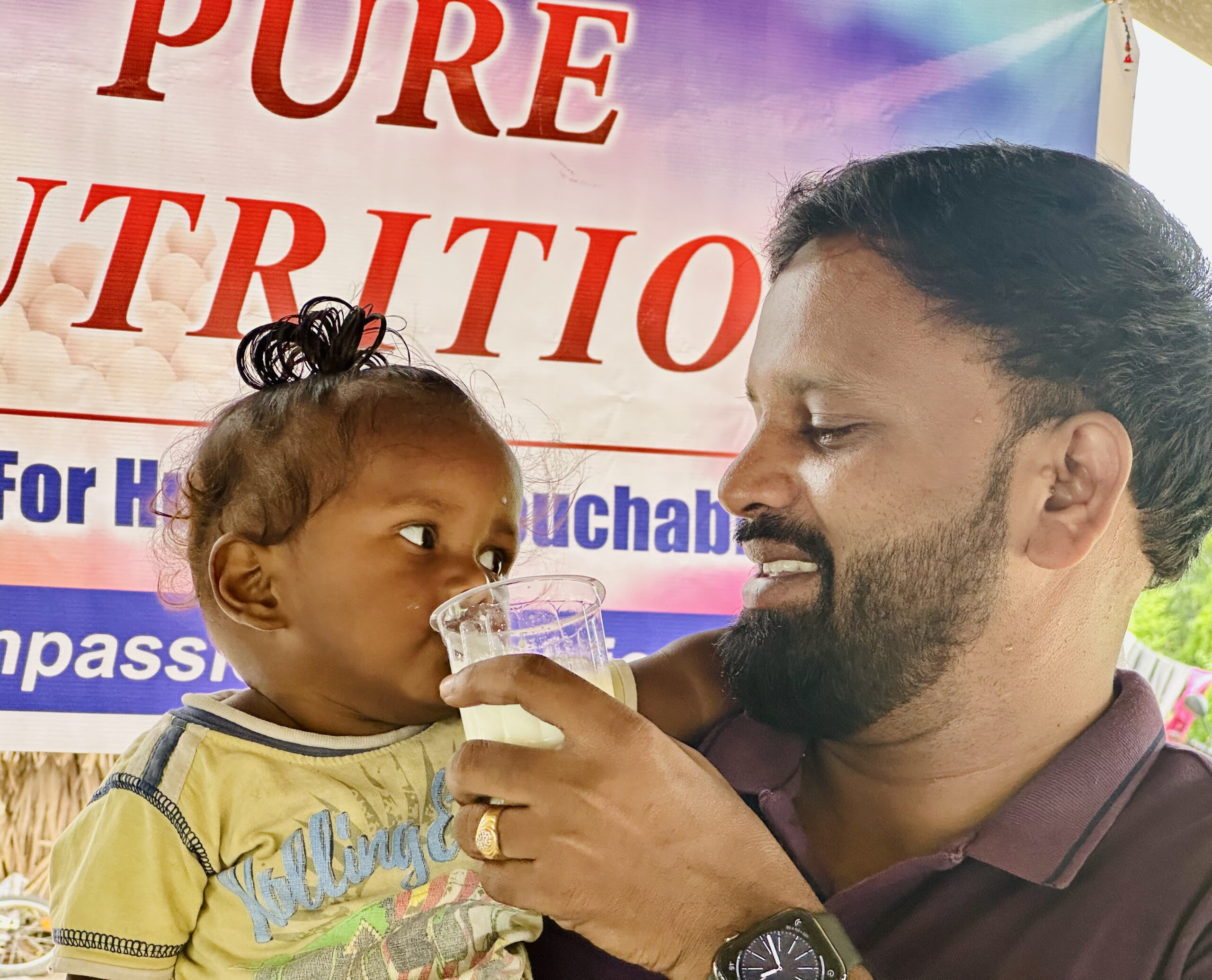
Physical well-being: With a vast population, ensuring regular health check-ups, vaccinations, and a balanced diet for every child is crucial.
Emotional and Psychological Support: Given the diverse socio-cultural landscape of India, providing an environment where children from all backgrounds feel safe, respected, and understood is paramount.
Education: The challenge isn’t just about getting children into schools, but also ensuring the quality of education, reducing drop-out rates, and promoting girl child education.
Skill Development: In a rapidly changing world, equipping children with skills ranging from digital literacy to critical thinking is essential for their future.
Charting the Way Forward: Solutions Tailored for India:
Community Engagement: Leveraging the Panchayat Raj Institutions and local community groups to ensure child care initiatives are tailored to regional needs.
Public-Private Partnerships: Collaborating with private entities, NGOs, and international organizations can bring innovative solutions, resources, and expertise to address child care challenges.
Policy Reforms: Strengthening policies around child labor, child trafficking, and child rights can ensure safer environments for children across the country.
Conclusion: India, with its rich heritage and youthful demographics, stands at a crossroads. The choices made today in child care will shape the nation’s destiny. By acknowledging the challenges, celebrating the triumphs, and consistently striving for better, India can ensure a brighter, more prosperous future for its children and, by extension, for the nation.