Needs:
📖 2000 Bibles, 🚲 Bicycles for Preachers, 💧 Baptism Tubs, 🚰 Bore Wells, 📚 Books & Stationery for Marginalised Children, 👕 Clothing for Marginalised Children, ☀️ Solar Lights for Tribal Areas, 🧵 Sewing Machines for Young Widows, 👁️ Cataract Surgeries for Aged Widows,
22Jan2026

Love & Compassion Ministries Official Website

Contacts

Dullavani Gudem, Gudivada - 521321.

support@lcm.org.in

+91 99498 54268

Category: Blog

Your blog category
Untitled design (2)
Blog

Why Widows Need Help

WHY WIDOWS NEED HELP

The heartbreaking plight of India’s widows long back:
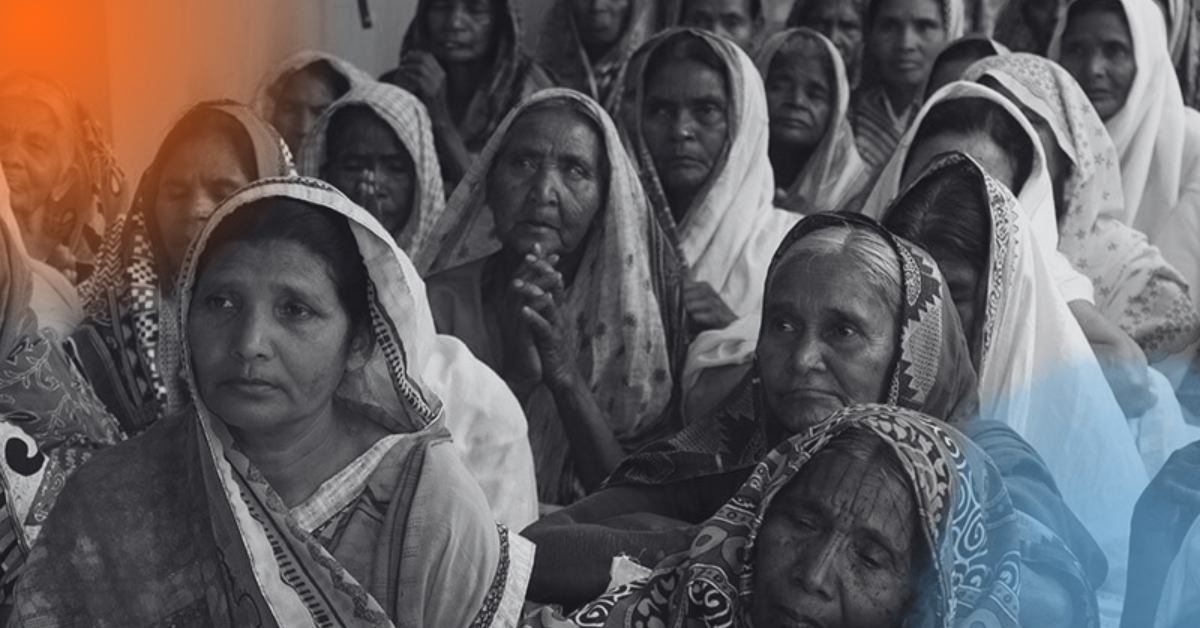
India’s widows are often ostracized from society after the death of their husbands.
Women are kicked out of their homes and shunned by society after their
husbands die.
Around five per cent of Indian women are said to be widows, and more than half
of them have no source of income.
Elderly women face living on their own or in decrepit ghetto areas, and are
prevented from participating in village festivals, family gatherings, and other
important communal events.
They are not normally allowed to go out to the markets, not allowed to fetch
water from the rivers or public wells, and are banned from participating in
celebrations/marriages of family or village.
Widows are often considered to be cursed, meaning they are thrown out by their
families for fear of spreading their bad luck. Also in India widows are treated as
untouchables.

Losing a husband in India forces many women into a life of begging and
destitution. Ostracized by society, thousands of India’s widows flock to the towns
and cities of India, begging, involving in prostitution, robbery, cheating to feed
their empty stomachs. Even we can find very old aged widows on side of the
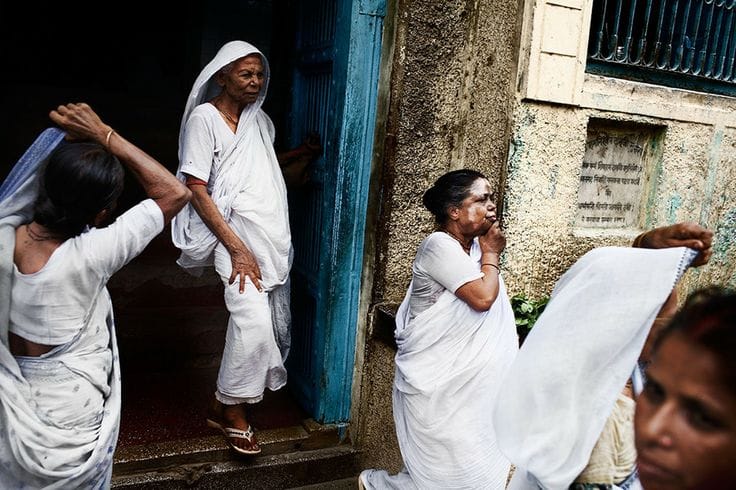
streets, hunched over with walking canes, their heads shaved and their pain
etched by hundreds of deep wrinkles in their faces.
These widows, the poorest of the poor, are shunned from society when their
husbands die, not for religious reasons, but because of tradition, and because
they’re seen as a financial drain on their families.
They cannot remarry. They must not wear jewelry. They are forced to shave their
heads and typically wear white. Even their shadows are considered bad luck. Most
of the Indian Widows, after her husband dies, all their belongings, and properties
were snatched off by their grown children, later Kicked off from homes.
Grieving is hard enough but in India many widows also have to contend with rape,
prostitution, forced marriage, property theft, eviction, social isolation, murder
and physical and mental abuse. Unfortunately there is a stigma attached to
becoming a widow in India. In addition, the loss of their husband means they have
little to no income to support their children and family members. Some mothers
can’t afford to send their children to school while some kids end up working on
the streets or in factories where the conditions are poor. This is no life for a child.
The widows believe what has always been said about them, that they have bad
karma (fate) and their life is worthless without a husband. Upon their husband’s
death, wives lose all human rights and dignity and are shunned by society. In fact,
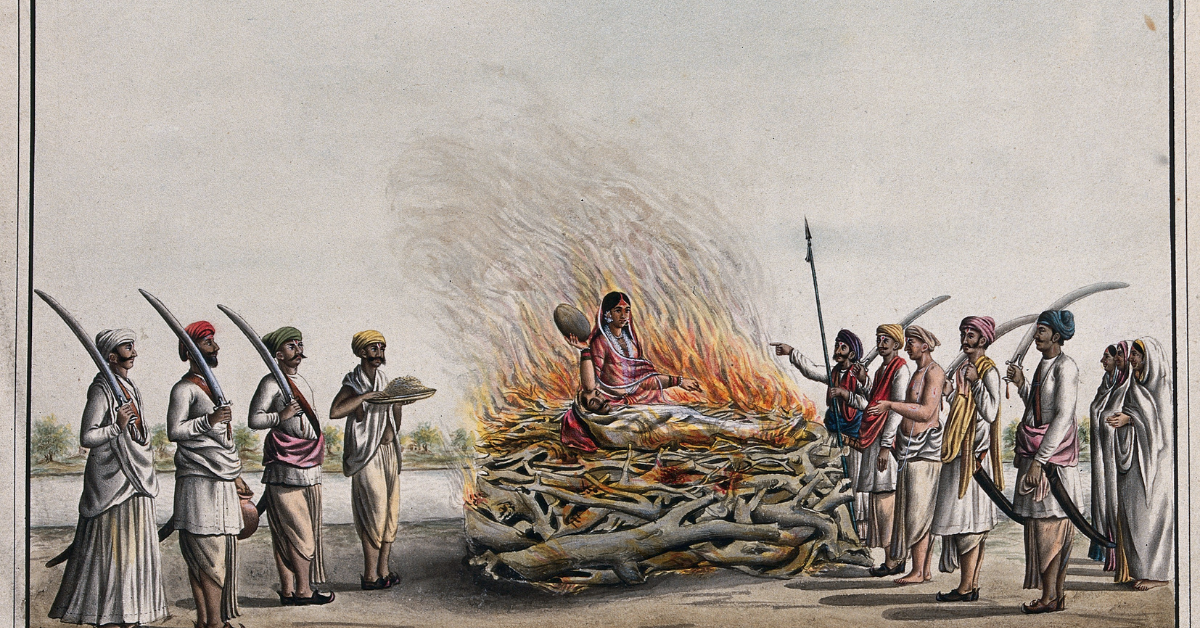
until the last century, widows were forced to, or would willingly throw themselves
upon their husband’s funeral pyre (called as sati). In the rural areas of India, which
is the majority of the country, widows are immediately disinherited and thrown
out of their homes by their husband´s families. They are totally penniless, forced
to beg on the side of the road, or forced to work for hours each day in
temples/offices in order to receive one meager meal per day.

Most widows feel that all they have to look forward to is the moment of death, and they are forever
contemplating suicide. There are many young widows who hide and some plan
their suicides, as other members of the family starts molesting them for sex.
Sometimes they are convinced by their own parents that they have not earned a
better life. Their own society has made them outcasts and has stripped them of
their basic dignity as human beings.

In India women are born to suffer till their death. The sufferings of women are
doubled if they happen to be widows in the Indian soil. A woman is surrounded by
the culture that seldom can come out from this. Though social change is very fast
due to the growing globalization , still few areas remain unchanged and some of
the areas where the change is very slow is the re marriage of young widows ,
seeing them as bad luck, treating them as untouchables, and other related
customs.

Society is not positive even today for widow remarriage. Setting apart the laws
societal norms are strong here that a widow has to die as a widow whatever her
age and surroundings be. The widows in India are one of the categories of women
who are not given importance by their own/other people.

In India, widows are looked down upon as disgraceful, unlucky, and even cursed.
When a couple marries, the woman leaves her family and lives with her husbands’
family. Once the husband dies, relatives take away all of the property, sell it and
divide the profits. They often leave the wife and the children with nothing. They
are left on their own, living sad lives of destitution and poverty. Because of this
many widows turn to street begging or prostitution to support their families. Even
then, widows are not allowed to attend their own children’s weddings because
they are so despised in society.

India is often projected as a harmonious, multi-cultural society to the external
world, but the down side of this complex society is that discrimination and
prejudice is a way of life. Discrimination against women unfortunately starts at
home from a very young age. On the one hand the girl child is pampered. On the
other hand girls are discouraged to go to school and to get educated. Instead in
the interest of making her a good wife, they are trained at home to do the
domestic work. Since in its ignorance the society thinks, “that is the appropriate
place for women”. Sometimes the birth of a girl is considered a curse. Child
marriages are still very common in Indian villages thus girls get married at a very
tender age. So at a very young age they are burdened with a lot of
responsibilities, becoming mothers that leads to physical weakness, illness, and
diseases.

Widows in India have a pronoun problem. The estimated 40 million women
widows in the country go from being called “she” to “it” when they lose their
husbands. They become “de-sexed” creatures.

Clearly, it’s more than a problem of language, although that discrimination goes
further, with epithets such as “husband eater” used against them. Widows are
still accused of being responsible for their husband’s death, and they are expected
to have a spiritual life with many restrictions which affects them both physically
and psychologically.

Although widows today are not forced to die in ritual sati (burning themselves on
their husband’s funeral pyre), they are still generally expected to mourn until the
end of their lives. Whether young or old, widowed women leave behind their
colorful saris, part with their jewelry, and even shave their heads,

In much of Indian society—across caste and religion—a widow is often perceived
by family members to be a burden and sexually threatening toward marriages.
I don’t want to prolong, although there is so much more to tell about the widows
of India. Just in short, Indian widows are treated as slaves, beggars, dolls of
prostitution, signature of bad luck, and more than all of this she is very burden for
family to take care.

PRESENT SCINARIO

In the current scenario, the practice of widowhood and its associated rituals are not as openly prevalent in India as they once were. However, the remnants of these practices still linger in the mindset of many Indian people. Despite not being as widespread as in the past, the influence of such traditions is observed daily across various regions of the country, albeit more subtly.

This persistent undercurrent of discrimination and outdated customs underscores the need for a thorough eradication from the nation’s social fabric. It is essential to address and eliminate these deep-rooted prejudices to foster a more inclusive and equitable society. The challenge lies in transforming societal attitudes and ensuring that these archaic practices are not just diminished in visibility, but completely removed from the collective consciousness of India.

CONCLUSION

In conclusion, the plight of widows in India is a stark reminder of the profound social and economic challenges faced by millions of women in the country. Ostracized and marginalized following the loss of their husbands, these women endure extreme hardships, ranging from poverty and social isolation to severe human rights abuses. The deeply entrenched cultural norms and traditions that perpetuate their suffering call for urgent attention and action.

Efforts like those of LOVE AND COMPASSION MINISTRIES represent a beacon of hope in this grim scenario. By providing support, advocating for their rights, and striving to reintegrate them into society with respect and dignity, such initiatives not only offer immediate relief but also work towards long-term societal change. It is a call to action for communities, policymakers, and international organizations to join hands in addressing this issue, ensuring that these women receive the support and recognition they deserve. Only through sustained and collaborative efforts can we hope to alter the grim narrative of widows in India and help them lead lives of dignity, free from discrimination and despair.

Untitled design (3)
Blog

The Resilient Journey of Durga: A Testament to Strength and Compassion

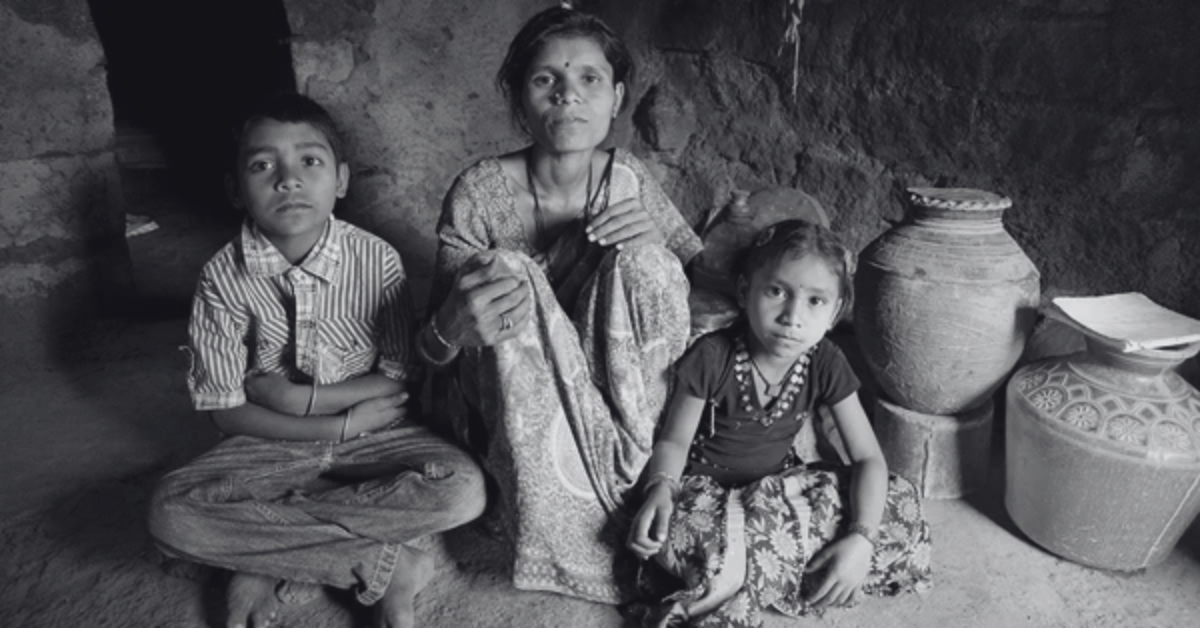
Durga, a Hindu woman, found herself in a dire situation following the death of her alcoholic husband. Left to fend for herself and her young children, she faced not only the immense challenge of single parenthood but also the harsh rejection of her society. In many communities, the stigma attached to widowhood and having a spouse with addiction issues can lead to isolation and a lack of support. Durga’s story, unfortunately, is not unique in this aspect.

Her struggle was compounded by the financial burden that fell squarely on her shoulders. With limited resources and opportunities, Durga faced the daunting task of providing for her children’s needs while dealing with her own grief and societal ostracism. The situation seemed bleak, and the path forward, uncertain.

At this critical juncture, Love and Compassion Ministries stepped in, offering a lifeline in her time of need. This organization, dedicated to helping those in dire circumstances, recognized the severity of Durga’s situation and the urgent need for intervention. Their support came in various forms, ranging from emotional counseling to financial assistance.

With the assistance of Love and Compassion Ministries, Durga embarked on a journey of recovery and self-improvement. They provided her with the necessary resources and training to become self-reliant. This support was not just about meeting immediate needs; it was about empowering Durga to build a sustainable future for herself and her children.

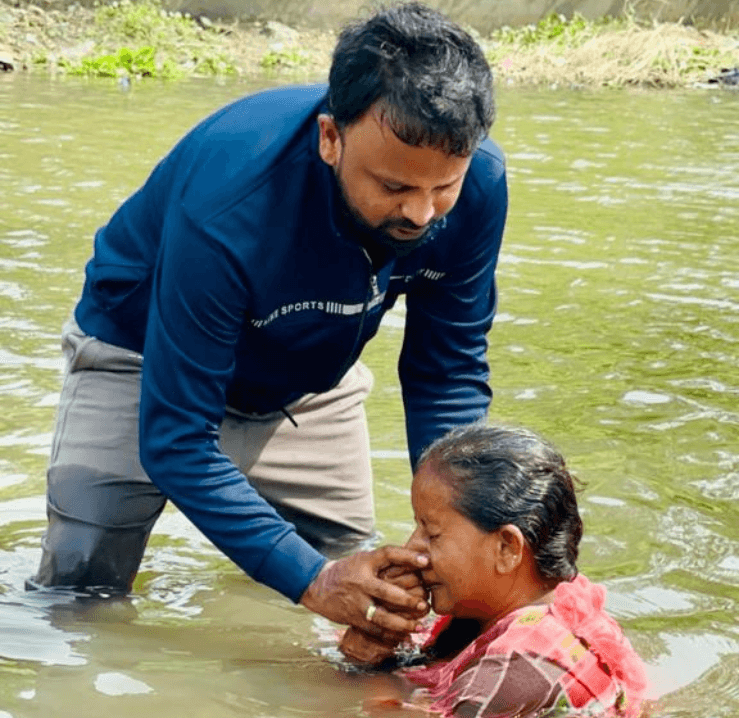
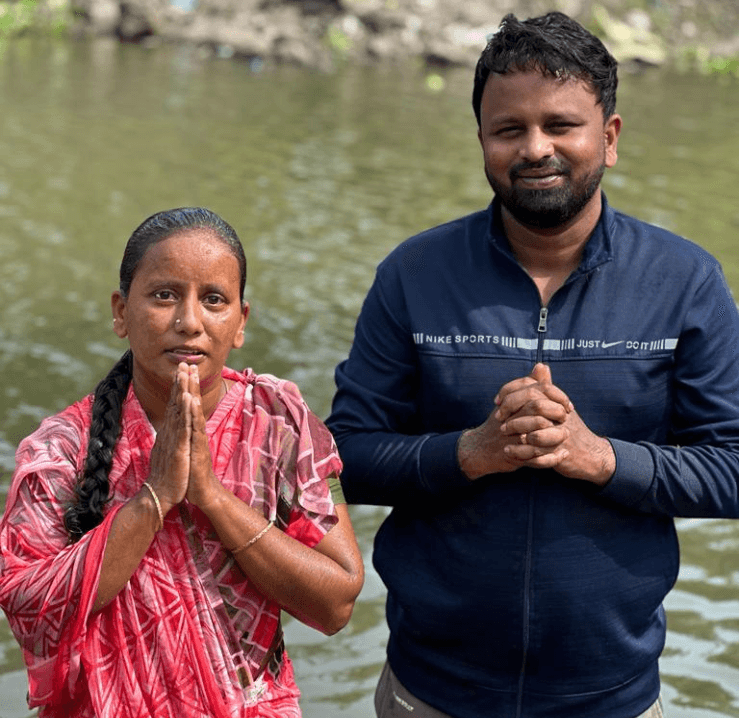
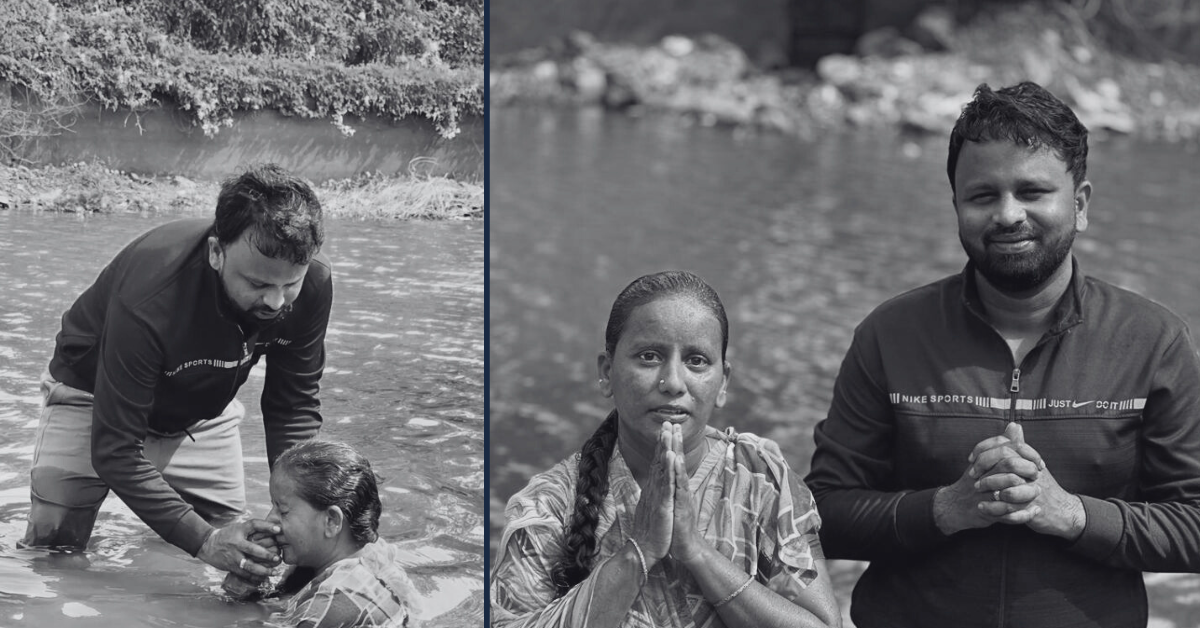
Amidst this support, Durga experienced a profound spiritual awakening. She was deeply moved by the love and grace she witnessed in the actions of the ministries, leading her to embrace a new faith through baptism. This decision was a reflection of her seeing God in the work of Love and Compassion Ministries, an embodiment of hope and renewal in her life.

Durga’s journey is a testament to the power of faith and human resilience. Her story highlights the plight of many widows who face societal ostracism and the critical role of organizations in providing much-needed support. It also underscores the transformative impact that spiritual and emotional care can have on individuals facing life’s toughest challenges.

Today, Durga stands as a symbol of hope, her life transformed by the compassionate intervention of Love and Compassion Ministries and her own enduring spirit. Her story is an inspiration, showing that with the right support and inner strength, it is possible to overcome adversity and rebuild a life filled with purpose and joy.

Untitled design (1)
Blog

Understanding the Struggles of Widows in India: A Call for Compassion and Support with Love and Compassion Ministries

Introduction to the Plight of Indian Widows: In India, the death of a husband is not just a personal tragedy for a woman; it marks the beginning of a life filled with societal stigma and financial hardship. This article aims to shed light on the plight of widows in India and the pressing need for their care and support.

Cultural Stigmas and Social Ostracism: Widows in India often face harsh societal stigmas. Traditionally, they are viewed as inauspicious and are blamed for their husband’s death. This unjust social ostracism leads to their exclusion from community events and family gatherings, exacerbating their sense of isolation.

Financial Insecurity and Dependence: With the loss of their husbands, many widows are left without a significant source of income. This leads to financial insecurity, forcing them to depend on relatives or to work in low-paying, unstable jobs, further diminishing their social status and self-esteem.

Health and Emotional Well-being: The emotional toll of losing a spouse, compounded by societal neglect, often deteriorates the mental and physical health of widows. Without adequate emotional support, many succumb to depression, anxiety, and other health issues.

Role of Love and Compassion Ministries in Widow Care: Love and Compassion Ministries play a crucial role in addressing the needs of widows. They offer essential services such as emotional support, healthcare, and vocational training, helping widows regain their dignity and independence. Their efforts are vital in creating a supportive environment where widows can thrive.

The Importance of Community Support: Community support plays a crucial role in reintegrating widows into society. Acceptance, respect, and social interaction can significantly improve their quality of life and help in healing emotional scars.

Empowering Widows through Education and Employment: Providing widows with education and employment opportunities is crucial for their empowerment. Economic independence not only helps them support themselves and their families but also restores their dignity and self-worth.

Conclusion – A Call for Action: The plight of widows in India is a humanitarian issue that requires immediate attention. It calls for a collective effort from society, government, and NGOs like Love and Compassion Ministries to provide the necessary care, support, and opportunities to help these women lead dignified and fulfilling lives. By addressing their struggles, we can help them transition from a life of hardship to one of hope and self-reliance.

png induja
Blog

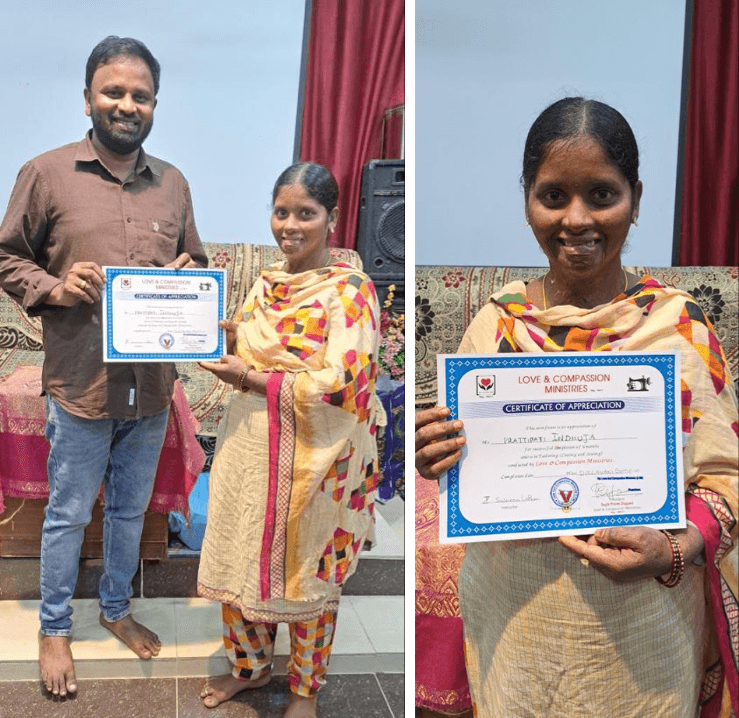
Testimonial of Indhuja: A Journey from Despair to Hope and Self-Reliance

In the heart of a small, impoverished village lived a young woman named Indhuja, whose life story is a poignant testament to human resilience and the transformative power of compassion. Indhuja’s early life was marred by severe poverty, a reality that cast a long, dark shadow over her family. Despite her hardworking nature, the overwhelming financial burden seemed insurmountable, leading her to a point of profound despair.

This despair culminated in a tragic incident, where Indhuja, in a moment of utter hopelessness, attempted to take her own life. The attempt left her severely injured, with wounds from fire and burns that marked not just her body but her spirit. In this darkest moment of her life, when all seemed lost, a glimmer of hope appeared in the form of Love and Compassion Ministries. This organization stepped into the bleakness of her situation, offering not just aid but a new direction for her life.

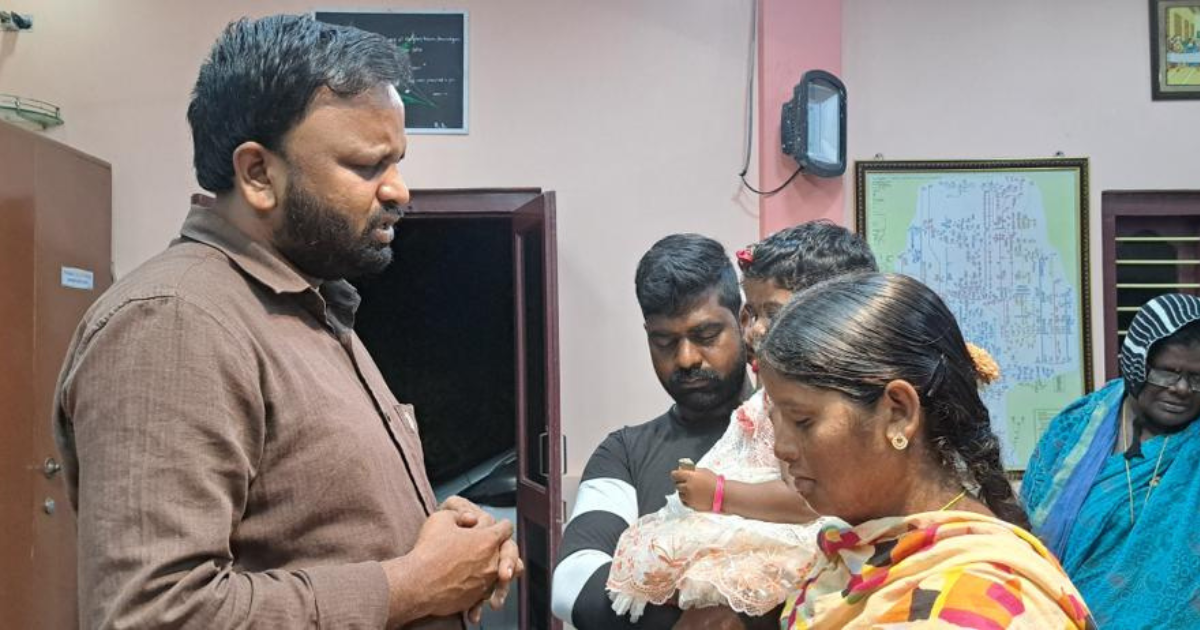
The ministry’s intervention was a turning point for Indhuja. They provided her with much-needed medical care and, importantly, a nurturing environment for her emotional and spiritual healing. It was in this period of recovery that Indhuja experienced a profound spiritual awakening, leading her to embrace a new faith through baptism. This baptism was not just a ritual; it symbolized a rebirth of her spirit and a newfound strength to face the world.

As she healed, Indhuja was introduced to the craft of sewing. This skill, simple in its essence, became a powerful tool in her hands. Sewing became more than just a hobby or a means to earn; it was a symbol of her journey towards self-reliance and financial independence. Her dedication and talent in this craft transformed her from a victim of circumstances to a self-sufficient artisan.

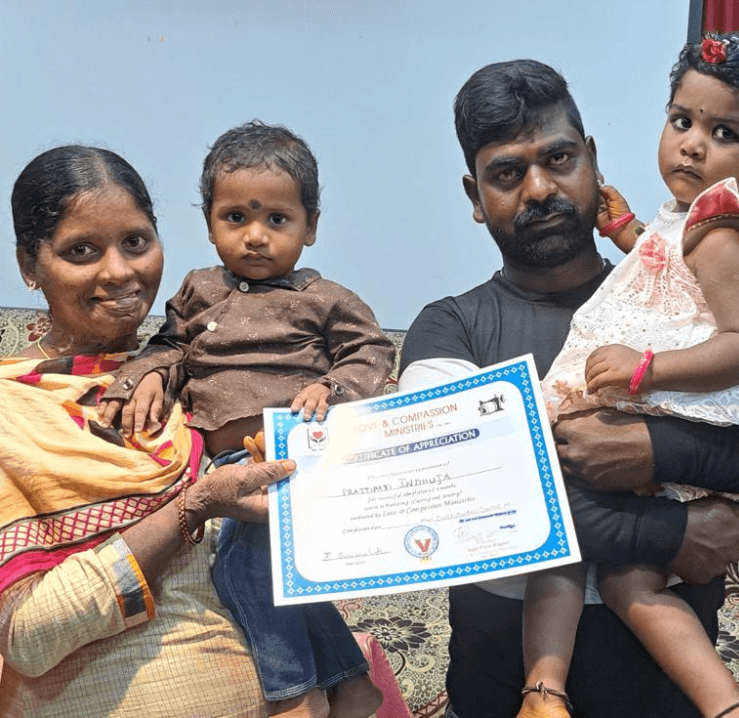
The culmination of Indhuja’s remarkable journey is not just found in her personal transformation but also in the new life she built for herself. Her financial independence and self-reliance led her to a loving marriage with a man from her own village. This union, based on mutual respect and understanding, is a far cry from the life of despair she once knew. Together, they are living proof that even from the depths of hardship and despair, it is possible to build a life filled with happiness and love.

Indhuja’s story reaches its most profound and inspiring chapter in her spiritual journey. Through the guidance and support of Love and Compassion Ministries, she moved closer to the teachings of Christ. Embracing His message of love and redemption, she found a deeper purpose and meaning in life. Her faith, strengthened by the love and support she received, became a cornerstone of her existence, guiding her through every challenge and triumph.

Indhuja’s life is a powerful narrative of overcoming adversity through resilience, faith, and the support of a compassionate community. It is a reminder that in our darkest moments, there is hope and the possibility of a new beginning. Her life stands as an inspiration to all who face challenges, showing that with determination, faith, and support, one can emerge stronger and forge a path of fulfillment and joy.

Untitled design (4)
Blog

How One Woman’s Journey Was Transformed By The Love And Compassion Of A Ministry: The Inspiring Story of Damayanti.

As humans, we often find ourselves searching for a deeper meaning and purpose in life. For some, this journey can be filled with challenges and struggles, but for others, it can lead to unexpected and life-changing encounters. Such was the case for Damayanti, a woman whose life was transformed by the love and compassion of a ministry. Her story is one of courage, resilience, and unwavering faith in the face of adversity. Through her journey, she discovered the power of love and the immense impact it can have on one’s life. This article will delve into the inspiring journey of Damayanti and how the love and compassion of a ministry not only changed her life but also gave her a newfound purpose. Through her story, we will witness the transformative power of unconditional love and the incredible work of a dedicated ministry. Join us as we explore the remarkable journey of Damayanti and the ministry that helped her find hope, strength, and a new sense of belonging.

Through the selfless acts of kindness and care provided by Love and Compassion Ministries, Damayanti, a widow whose husband succumbed to acute cancer, received much-needed support during her time of hardship. As a family living in poverty, they were unable to afford the necessary treatment for her husband, leaving Damayanti feeling helpless and alone. However, the compassionate efforts of Love and Compassion Ministries provided her with the necessary resources and care to help her through this difficult time. Their unwavering support has been a true blessing to Damayanti and her family during their time of need.

Following the diagnosis of diabetic complications, Damayanti received appropriate medical care from our recommended healthcare providers. Additionally, she received eye treatment through our organization. As a result, she now has a newfound faith in God and considers Love and Compassion Ministries to be a divine intervention in her life. Her renewed devotion to God is a testament to the compassionate care and support she received from our organization.

Join us in celebrating Damayanti’s journey and the invaluable support provided by Love and Compassion Ministries. Let her remarkable story ignite the flame of compassion within you and inspire you to make a difference in the lives of others. Together, we can create a world where love and compassion prevail, offering solace and hope to all who seek it.

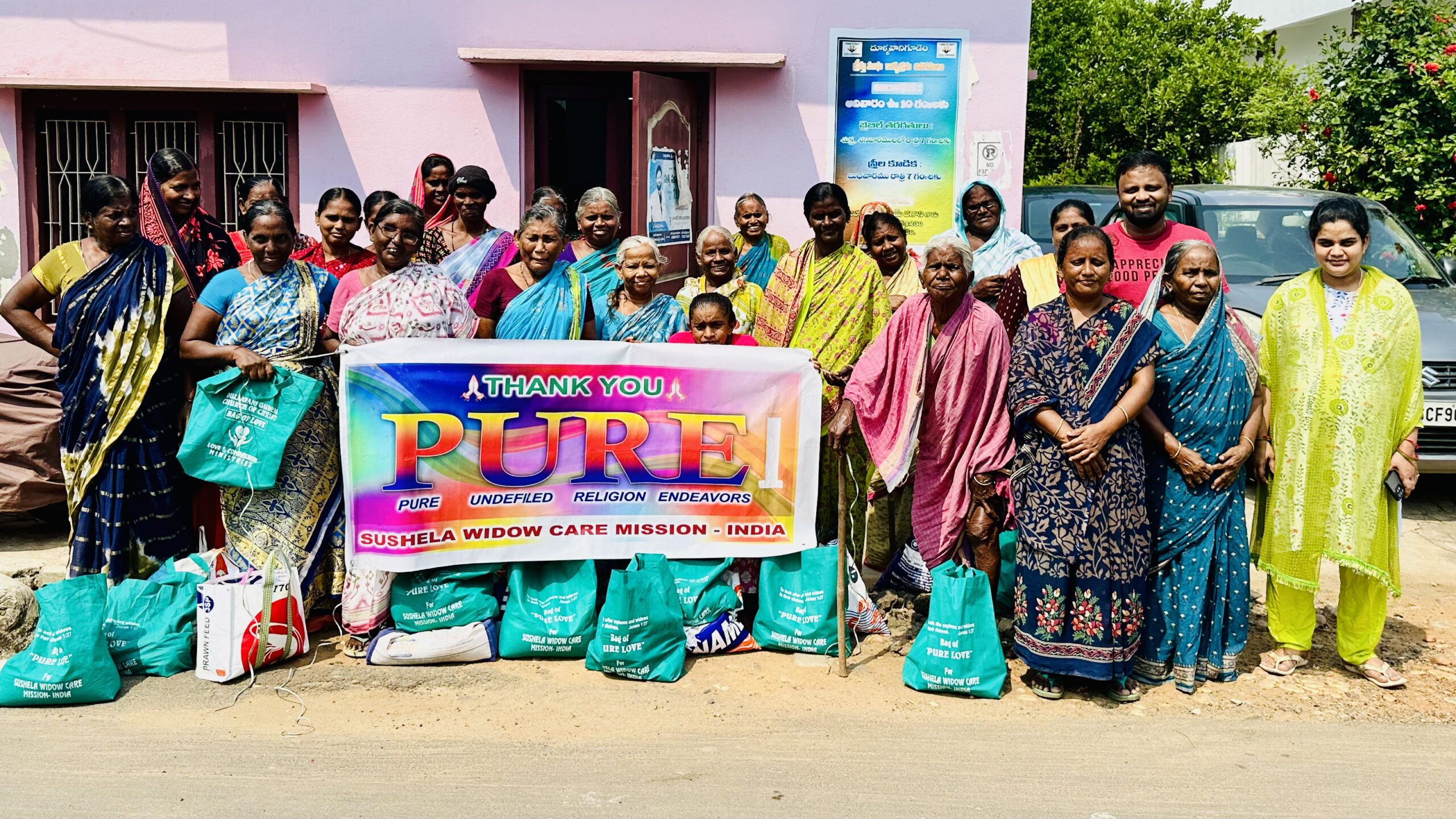
We do widow care with “SUSHELA WIDOW CARE MISSION” with moto to bring back their smiles. To Support and Care our activities please Click here. we will get in touch with you.

WhatsApp Image 2023-11-15 at 7.45.27 PM
Blog

Restoring Dignity: The Impact of Love and Compassion Ministries on Arogyamma’s Well-being

Restoring dignity is a crucial aspect of promoting overall well-being, especially for marginalized individuals. In the past decade, Love and Compassion Ministries (LCM) has been actively working towards restoring the dignity of vulnerable communities through various initiatives. One such individual whose life has been transformed by LCM’s efforts is Arogyamma, a 67-year-old widow living in a rural village in India. Arogyamma had been living in extreme poverty, suffering from health issues and lacking basic necessities. However, with the implementation of LCM’s programs, her life has undergone a remarkable transformation. This article will delve into the impact of Love and Compassion Ministries on Arogyamma’s well-being, highlighting the organization’s approach and the positive changes it has brought about in her life. Through this article, we aim to shed light on the significance of love and compassion in promoting the dignity and well-being of vulnerable individuals and communities.

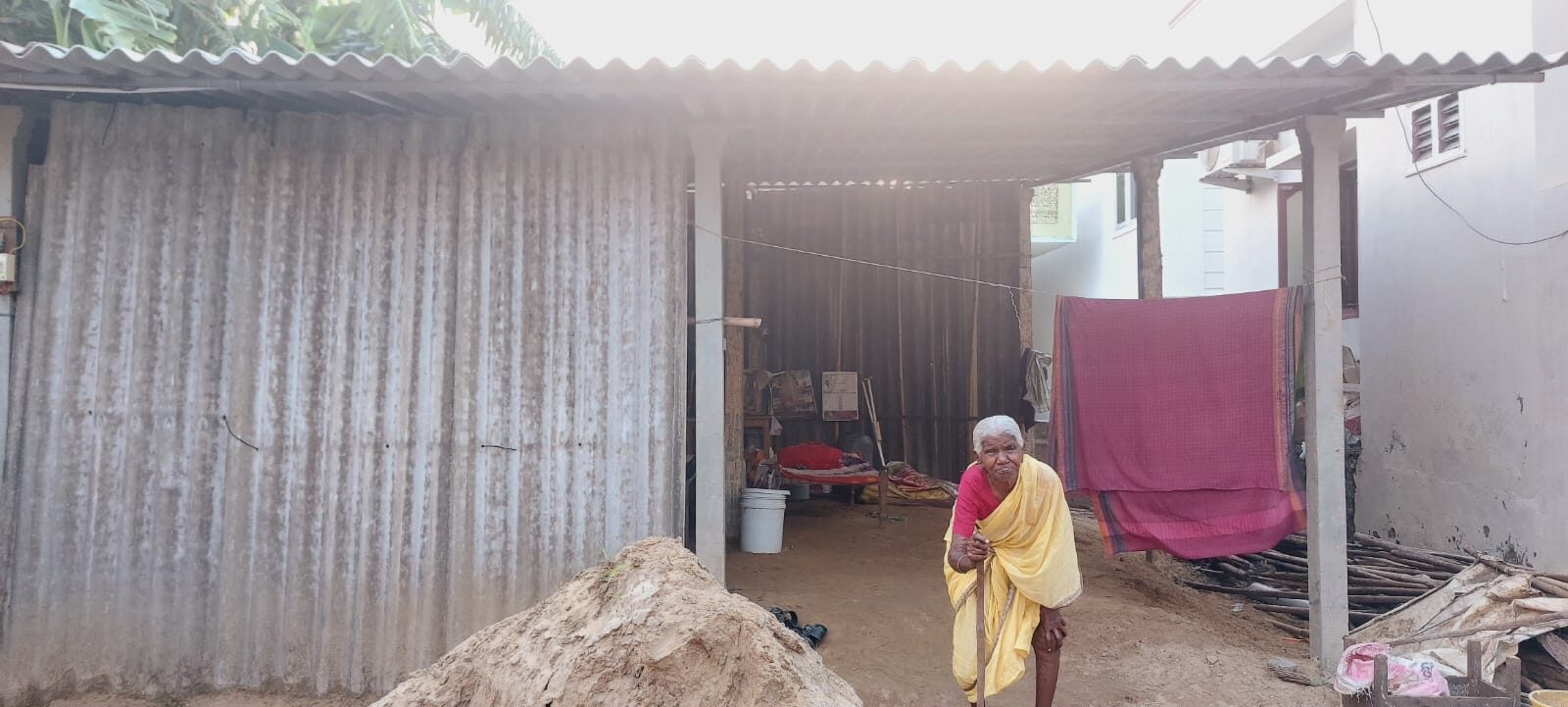
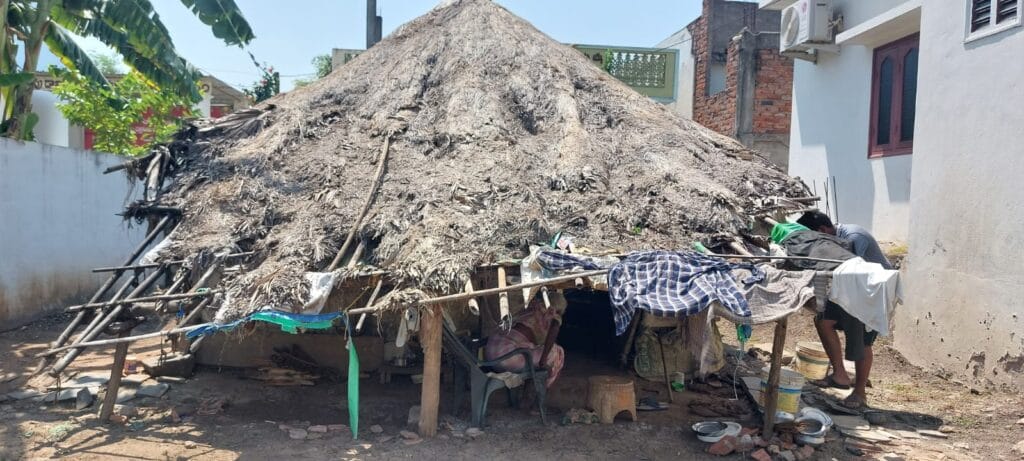
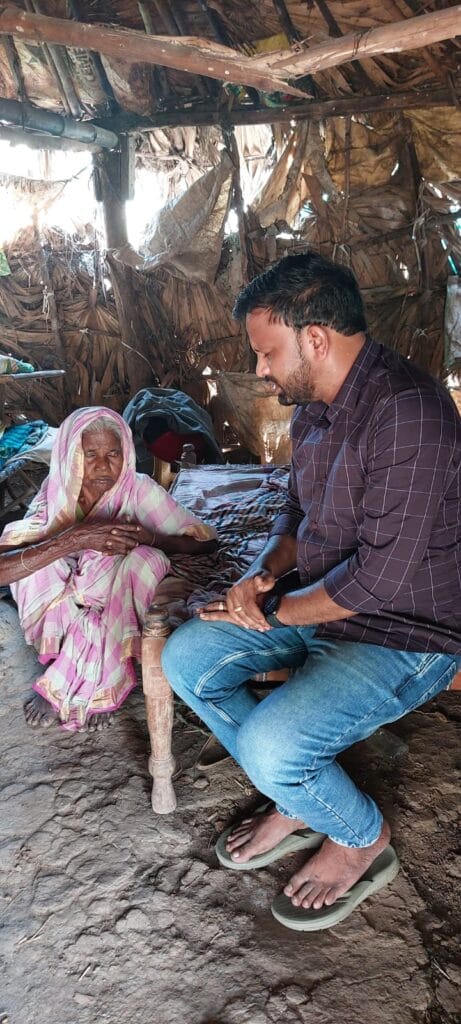
Arogyamma, an elderly widow residing in a rural village near Gudivada, Andhra Pradesh, India, had relied on her husband and two children for support in her daily life. Unfortunately, her son’s lack of education and struggle with alcoholism rendered him unreliable and irresponsible. Furthermore, her daughter had married and moved away, leaving Arogyamma feeling increasingly isolated. Tragedy struck when her husband suddenly passed away from a heart attack in his sleep. Abandoned by her children, Arogyamma was forced to leave the village and seek refuge in a modest hut on its outskirts. Her deteriorating health and lack of care exacerbated her already dire circumstances.

Upon discovering Arogyamma’s plight, Love and Compassion Ministries endeavored to provide her with the necessary assistance to address her health and basic needs. In a strategic effort to reunite her with her estranged family, we offered steadfast support and ensured her well-being. With our dedicated efforts, we were able to establish a proper dwelling for Arogyamma, which significantly improved her physical and emotional recovery. Ultimately, her unwavering faith in God, fostered by the love and compassion we exhibited, prompted her son to reconnect with her. Arogyamma’s family was reunited, creating a lasting bond that endures to this day.

This account represents just one of the numerous testimonials we have received from individuals we have aided through our ministry. Our belief in the inherent worth of every individual compels us to provide love, compassion, and essential resources to those facing difficult circumstances, regardless of their background. Our mission centers on transforming lives, empowering individuals to improve their living conditions, and fostering self-sufficiency.

Impacting lives through compassionate service.

Restoring Dignity Ministries is committed to impacting lives through their unwavering dedication to compassionate service. By extending a helping hand to those in need, they strive to make a lasting positive impact on individuals like Arogyamma. Through their selfless acts of kindness and genuine care, Restoring Dignity Ministries creates an environment where individuals can find solace, heal from their wounds, and regain a sense of dignity. Their compassion goes beyond providing physical assistance; they take the time to listen, understand, and empathize with the struggles that individuals face. The impact of their compassionate service extends far beyond the immediate needs, as it uplifts individuals, restores their faith, and empowers them to overcome challenges and envision a brighter future. Restoring Dignity Ministries exemplifies the transformative power of love and compassion, demonstrating that through their dedicated service, lives can be profoundly changed for the better.


In conclusion, the work of Love and Compassion Ministries has had a profound impact on the well-being of Arogyamma. Through their dedication to providing love, care, and support, they have restored her sense of dignity and given her hope for a brighter future. This serves as a powerful example of how small acts of compassion can make a significant difference in the lives of those in need. As we continue to work towards creating a more compassionate and inclusive society, let us remember the transformative impact of organizations like Love and Compassion Ministries in restoring dignity and improving the lives of individuals like Arogyamma.

Join us in celebrating Arogyamma’s journey and the invaluable support provided by Love and Compassion Ministries. Let her remarkable story ignite the flame of compassion within you and inspire you to make a difference in the lives of others. Together, we can create a world where love and compassion prevail, offering solace and hope to all who seek it.

We do widow care with “SUSHELA WIDOW CARE MISSION” with moto to bring back their smiles. To Support and Care our activities please Click here. we will get in touch with you.

Amala Leela after surgery
Blog

Introducing Amala Leela – A Tale of Resilience and Faith

Amala Leela after surgery

In a small village, amidst the tranquility of a farming community, lived a remarkable woman named Amala Leela. Fate dealt her a cruel blow when her beloved husband met with a devastating accident while returning home from his livelihood farming. Amala Leela, a devout Catholic, found herself thrust into a world that had undergone an immense transformation. The once caring villagers now treated her as an outcast, shunning her presence and subjecting her to unkind treatment.

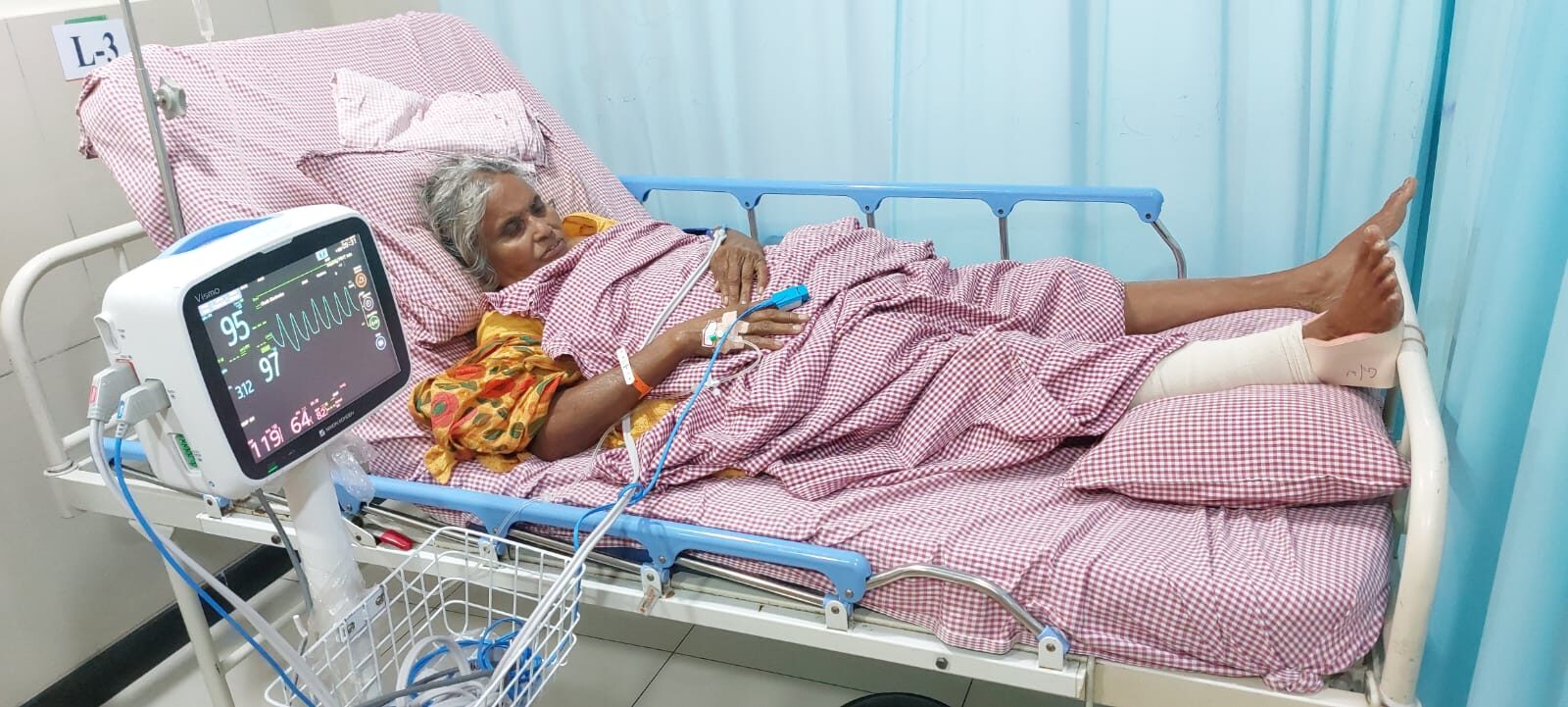
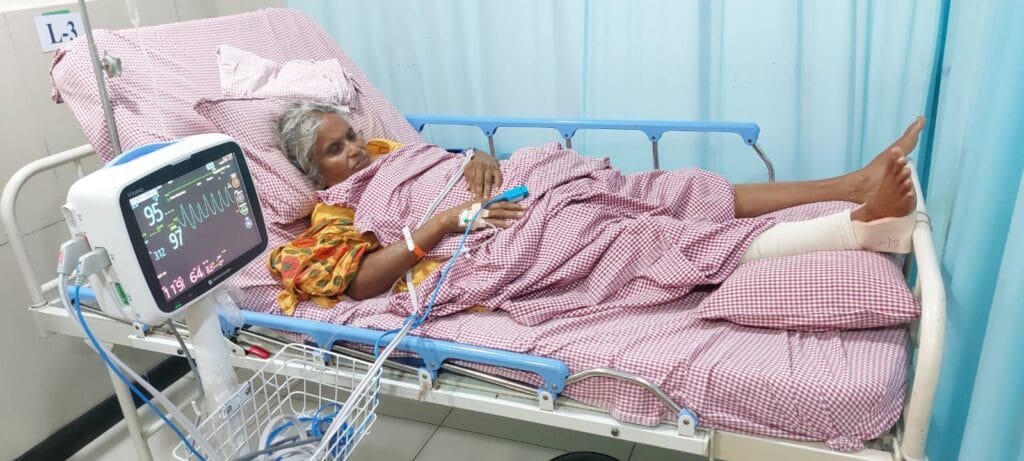
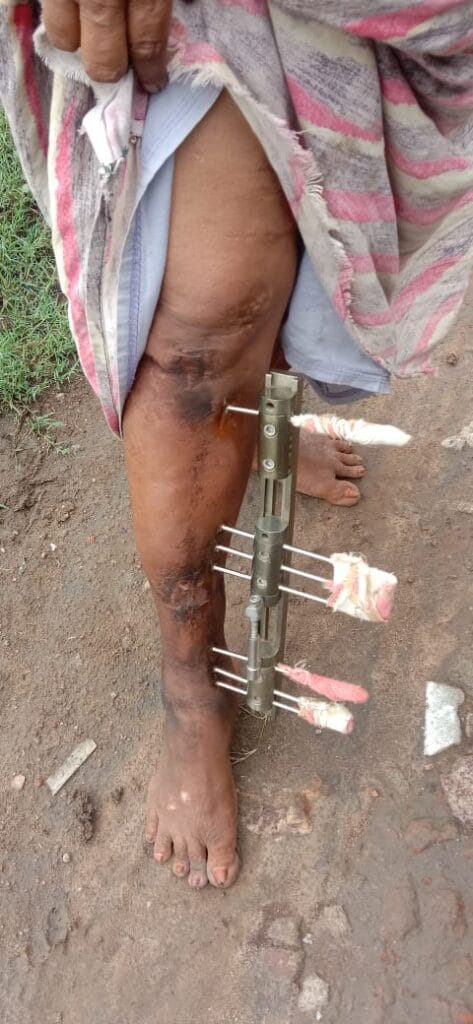
Times grew increasingly difficult for Amala Leela, and as if fate hadn’t been cruel enough, she found herself involved in another accident, severely injuring one of her legs. This incident left her in dire need of assistance. It was during this trying period that Our Love and Compassion Ministries stepped in, providing unwavering support in her hour of need. They arranged for her to receive crucial medical assistance, which was located far from her village. Thanks to their immediate care and response, her life was saved.


Amala Leela underwent a series of surgeries to repair her injured leg. With each passing day, her strength was restored, and she gradually regained her mobility. It was a tumultuous journey, one in which her own family and relatives had failed to offer any solace. However, it was the unwavering dedication of Love and Compassion Ministries that played a pivotal role in saving her life. 

As Amala Leela emerged from the grips of adversity, she discovered the profound truths that lay hidden within her trials. She realized that it was through her unwavering faith that God had revealed Himself to her. In recognition of this divine intervention, she chose to embrace baptism, marking a significant milestone in her spiritual journey.

Amala Leela’s story is a testament to the power of resilience and unwavering faith. It serves as a reminder that even in our darkest moments, there is always a glimmer of hope. Through the compassionate efforts of organizations like Love and Compassion Ministries, lives can be transformed, and individuals can find the strength to overcome any adversity that comes their way.

If you are seeking inspiration and a renewed sense of purpose, Amala Leela’s story is a beacon of hope. It stands as a testament to the extraordinary work carried out by Love and Compassion Ministries, offering a lifeline to those in need. Their commitment to transforming lives is a shining example of the profound impact we can make when we extend a helping hand to those facing insurmountable challenges.

Join us in celebrating Amala Leela’s journey and the invaluable support provided by Love and Compassion Ministries. Let her remarkable story ignite the flame of compassion within you and inspire you to make a difference in the lives of others. Together, we can create a world where love and compassion prevail, offering solace and hope to all who seek it.

We do widow care with “SUSHELA WIDOW CARE MISSION” with moto to bring back their smiles. To Support and Care our activities please Click here. we will get in touch with you.

IMG_6817
Blog

“Widow Care: A Journey of Compassion, Empowerment, and Renewed Hope”

Introduction:

In every corner of the world, widows often represent some of the most vulnerable members of society. The sudden loss of a partner can lead not only to emotional turmoil but also to social and economic challenges. This article delves into the multifaceted world of widow care, underscoring the importance of holistic support and highlighting initiatives making a difference.

Understanding the Plight of Widows:

Widowhood can be an isolating and devastating experience. In many cultures, widows face societal stigma, discrimination, and even ostracization. Their challenges are manifold:

  • Economic Insecurity: With the loss of the primary breadwinner, many widows grapple with financial instability, struggling to provide for their families.

  • Mental and Emotional Strain: The trauma of losing a partner, coupled with societal pressures, can lead to mental health issues, including depression and anxiety.

  • Social Marginalization: Cultural norms in certain regions can strip widows of their rights, rendering them socially marginalized.

The Cultural Context:

It’s crucial to recognize that the experiences of widows vary significantly across different cultures and societies. In some regions:

  • Widows are expected to wear specific clothing or avoid certain social gatherings.

  • They might face property disputes, with in-laws or other family members trying to claim their assets.

  • Some are even blamed for their husband’s death, facing discrimination and isolation.

Widow Care: More Than Just Financial Aid:

While financial support is vital, widow care must be holistic, addressing emotional, social, and psychological needs.

  • Emotional and Psychological Support: Counseling services, support groups, and therapy can offer a safe space for widows to process their grief and find coping mechanisms.

  • Skill Development and Employment Opportunities: Equipping widows with skills and providing job opportunities can help them gain financial independence.

  • Social Reintegration: Community programs can play a pivotal role in breaking stigmas and reintegrating widows into society.

Success Tales from Around the Globe:

  • Widow Empowerment Programs in Africa: Organizations like the ‘Lois Hole Hospital Women’s Society’ have initiated programs in African nations, providing widows with vocational training, ranging from sewing to farming.

  • Self-Help Groups in India: Widows are forming collectives, pooling resources, and embarking on entrepreneurial journeys, from handicrafts to small-scale industries.

  • Online Platforms in the West: Digital platforms are connecting widows, offering them a space to share stories, seek advice, and find community.

The Role of Policy and Legislation:

Governments play a crucial role in ensuring the rights and well-being of widows. Progressive policies can:

  • Ensure widows have rights to their property and assets.

  • Provide social security benefits or pensions.

  • Establish laws that protect widows from discrimination and exploitation.

The Path Forward: A Call to Action:

  • Raising Awareness: Advocacy campaigns can shine a spotlight on the issues faced by widows, challenging societal norms and prejudices.

  • Community Engagement: Grassroots initiatives, driven by community leaders and local organizations, can bring about tangible change on the ground.

  • Collaboration: Governments, NGOs, and the private sector must collaborate, pooling resources and expertise.

Conclusion:

Widow care is not just about addressing immediate needs; it’s about reshaping societal attitudes, providing opportunities, and ensuring every widow has the chance to lead a life filled with dignity, purpose, and hope. As a society, recognizing the strength and resilience of widows and supporting them in their journey is not just a responsibility; it’s a testament to our shared humanity.

IMG_2437
Blog

“Child Care in India: Challenges, Triumphs, and the Path Forward”

Introduction: Child care is a cornerstone upon which societies flourish. In a nation as vast and diverse as India, the challenges and dynamics of child care are multifaceted. However, with the right strategies and an understanding of the ground realities, India has the potential to lay robust foundations for its future generations.

Child Care in India: A Snapshot:

  • Fact: According to the National Family Health Survey (NFHS-5), around 35% of children under 5 years in India are stunted (too short for their age), which is an indicator of chronic undernutrition.

  • Fact: The same survey reveals that about 17% of children under 5 are wasted (too thin for their height) – a sign of acute undernutrition.

  • Fact: As per the UNESCO Institute for Statistics, India has more than 11 million children out of school, one of the highest numbers globally.

The Importance of Comprehensive Child Care in India:

  1. Physical well-being: With a vast population, ensuring regular health check-ups, vaccinations, and a balanced diet for every child is crucial.

  2. Emotional and Psychological Support: Given the diverse socio-cultural landscape of India, providing an environment where children from all backgrounds feel safe, respected, and understood is paramount.

  3. Education: The challenge isn’t just about getting children into schools, but also ensuring the quality of education, reducing drop-out rates, and promoting girl child education.

  4. Skill Development: In a rapidly changing world, equipping children with skills ranging from digital literacy to critical thinking is essential for their future.

Charting the Way Forward: Solutions Tailored for India:

  • Community Engagement: Leveraging the Panchayat Raj Institutions and local community groups to ensure child care initiatives are tailored to regional needs.

  • Public-Private Partnerships: Collaborating with private entities, NGOs, and international organizations can bring innovative solutions, resources, and expertise to address child care challenges.

  • Policy Reforms: Strengthening policies around child labor, child trafficking, and child rights can ensure safer environments for children across the country.

Conclusion: India, with its rich heritage and youthful demographics, stands at a crossroads. The choices made today in child care will shape the nation’s destiny. By acknowledging the challenges, celebrating the triumphs, and consistently striving for better, India can ensure a brighter, more prosperous future for its children and, by extension, for the nation.